Trade Fairs of Food and Beverages in Middle East: Why 2025 is a Game-Changer
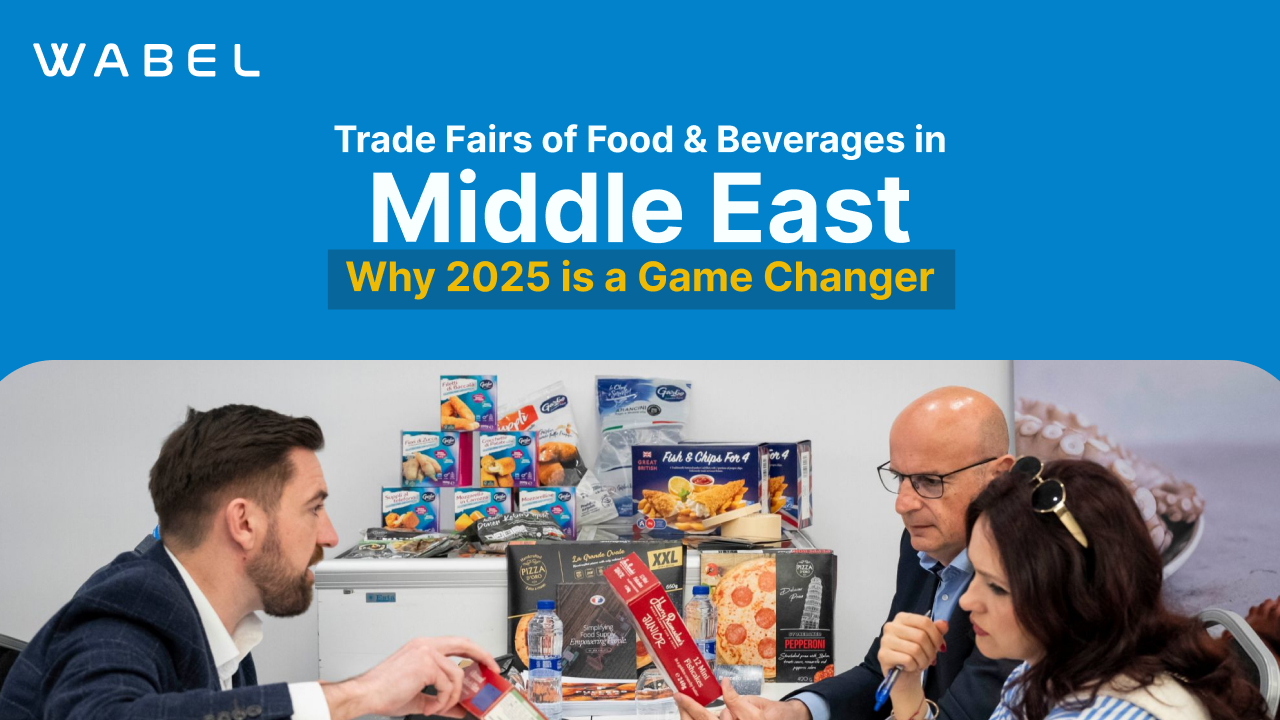
Over the time, the Middle East has become a global hub for innovation, culture, and commerce. And in 2025, it is taking centre stage in one of the most rapidly evolving sectors: trade fairs of food and beverages in Middle East. These days, the consumers are demanding quality, health-conscious, and ethically sourced products. So, the spotlight is now on how and where industry professionals meet to explore, taste, and trade the future of food.
From Dubai to Riyadh, food & beverages trade shows in Middle East are no longer just exhibitions. They are specialised B2B ecosystems where strategic partnerships form, supply chains evolve, and product innovation gets its platform.
Let’s explore why 2025 is set to be a defining year for B2B FMCG trade fairs in Middle East, and how Wabel is redefining the standard through curated, outcome-focused summits.
Why the Middle East is Leading the Global Food & Beverage Trade Scene
The Middle East has always been a vibrant market for international food brands, thanks to its multicultural population and appetite for premium, halal, organic, and innovative products. But what makes 2025 unique is the region’s rising role in B2B FMCG trade fairs in Middle East, especially within Dubai’s dynamic expo culture.
In cities like Dubai, where logistics infrastructure meets global connectivity, trade fairs of food and beverages in Middle East are seeing record attendance from importers, manufacturers, and buyers across Europe, Asia, and Africa.
More than just a display of goods, these events offer real-time business matchmaking, product demonstrations, expert-led trend briefings, and digital tools that support post-meeting engagement.
Wabel: At the Forefront of Food & Beverage Summits
Among the most trusted platforms facilitating this shift is Wabel, whose B2B summits bring structure, focus, and efficiency to the traditional expo format. What sets Wabel apart is its modular, category-specific approach to food & beverages trade shows in Middle East, with curated meetings and smart tools that go beyond networking.
If you’re in the drinks industry, don’t miss the premium beverage summit- Wabel’s Summit: Your Gateway to Premium Drinks in Dubai. This event is a top choice in 2025 for buyers exploring functional drinks, premium beverages, and private-label alcohol alternatives.
Additionally, brands looking to stay ahead of the non-alcoholic revolution should bookmark Sip Success at the Wabel Drink Summit in Dubai, a beverage-specific trade fair gaining traction every year.
Focused Summits for Every Category
What makes Wabel unique in the world of trade fairs of food and beverages in Middle East is its deep-dive approach. Instead of broad-spectrum shows, Wabel delivers specialised summits in beverages, frozen goods, chilled dairy, and grocery—each with its own supplier pool, meeting schedule, and trend agenda.
If frozen meals and frozen-ready options are in your product roadmap, you’ll want to explore the dedicated summit- Discover Frozen Excellence with Wabel in Dubai. This one’s ideal for buyers looking for premium frozen food and alternative protein options in 2025.
For dairy importers and distributors, Discover the Best in Chilled Dairy at Wabel in Dubai is an unmissable experience. With the demand for high-protein, clean-label, and on-the-go dairy solutions rising, this summit offers exactly what modern consumers are asking for.
If grocery items are your focus, from healthy snacks to pantry essentials, head straight to the Best Grocery Products at Wabel Summit in Dubai. This summit connects you with leading manufacturers across dry, ambient, and shelf-stable categories.
2025: What to Expect from Food & Beverage Trade Shows in Middle East
As we move through 2025, expect major shifts in how B2B FMCG trade fairs in Middle East are structured and experienced. Here’s what the year is shaping up to offer:
- Smart Matchmaking: No more wandering the exhibition floor aimlessly. Summits like Wabel’s offer pre-scheduled, AI-curated one-to-one meetings based on your sourcing needs.
- Outcome-Focused Follow-ups: Meetings don’t end when the expo closes. With post-meeting management tools, buyers and suppliers stay connected and move toward finalising deals efficiently.
- Category-Specific Deep Dives: Unlike general exhibitions, summits like Wabel’s let you focus entirely on your product vertical—be it drinks, dairy, frozen, or grocery.
- Sustainability Front and Centre: In 2025, sustainability will be a major theme across all food and beverages in Middle East events, with eco-packaging, clean ingredients, and transparent sourcing being key talking points.
Why B2B Matters More Than Ever
Trade fairs of food and beverages in Middle East aren’t just networking events anymore, they’re deal-making powerhouses. Especially in 2025, where timelines are tight and margins are slim, buyers need events that are outcome-driven, time-efficient, and cost-effective.
With B2B-specific summits like Wabel’s, companies save time by only meeting relevant suppliers, often with pre-negotiated topics and product expectations. This is a huge shift from traditional expo formats and one reason why B2B FMCG trade fairs in Middle East are now attracting global attention.
Another reason? The scale of opportunity. The Middle East is importing more food and beverage goods than ever before, and local distributors are actively seeking global partnerships.
Real Business, Real Growth
Attending a B2B summit like Wabel’s isn’t just a branding move, it’s a business move. Whether you’re looking to launch a new product line, find a white-label partner, or simply understand regional trends in food and beverages in Middle East, these summits offer all of that and more.
Plus, the Wabel experience includes hospitality support such as travel reimbursements and hotel stays, making it more accessible for emerging brands and small businesses to participate in global trade.
By combining precision matchmaking with immersive trend discovery, B2B FMCG trade fairs in Middle East now provide the kind of ROI that legacy trade shows simply can’t match.
Final Thoughts: Make 2025 Your Most Productive Year Yet
If you’re planning to attend any trade fairs of food and beverages in Middle East this year, Wabel’s summit series in Dubai should be at the top of your list. With specific summits designed for frozen foods, drinks, dairy, and grocery, you get maximum value from a single trip.
Whether it’s discovering innovative drink launches at Wabel’s Premium Drinks Summit, tasting the latest chilled innovations via the dairy showcase, or connecting with grocery giants through this grocery-focused summit, 2025 is full of opportunity.
Bookmark the dates, prepare your sourcing strategy, and make this the year you turn conversations into contracts.
FAQs
Q1. What are trade fairs of food and beverages in Middle East?
They are specialised B2B events connecting global suppliers with regional buyers.
Q2. Why are food & beverages trade shows in Middle East important in 2025?
They offer curated meetings, trend insights, and immediate sourcing opportunities.
Q3. What’s unique about B2B FMCG trade fairs in Middle East?
They focus on outcome-based meetings and category-specific sourcing.
Q4. How do Wabel summits differ from traditional trade shows?
They offer smart matchmaking, private meetings, and post-event deal management.
Q5. Are these trade fairs open to small and medium businesses?
Yes, many summits offer hospitality support for startups and SMEs.
Q6. Can I attend more than one summit in a single trip?
Absolutely—Wabel’s model lets you move between drink, frozen, dairy, and grocery summits easily.
Q7. How are suppliers selected for the 2025 summits?
They’re pre-screened for quality, innovation, and business readiness.
Q8. Is Dubai the best city for food and beverage trade fairs in 2025?
Yes, thanks to its global access, infrastructure, and market potential.

The European market offers immense potential for success, with its vast and expanding consumer base. Start building valuable connections today by exploring the leading retailers and distributors in Europe, all of whom have a strong demand for products in the food, beverages, household, beauty, and personal care categories.